 Discover It Loans
Is it cheaper to repair or replace a washing machine?
By Priya Natarajan, Staff writer, household costs
Last updated:
The 50 percent rule, the age of the machine and the part that failed decide it. A worked example for a seven-year-old front loader.
On this page
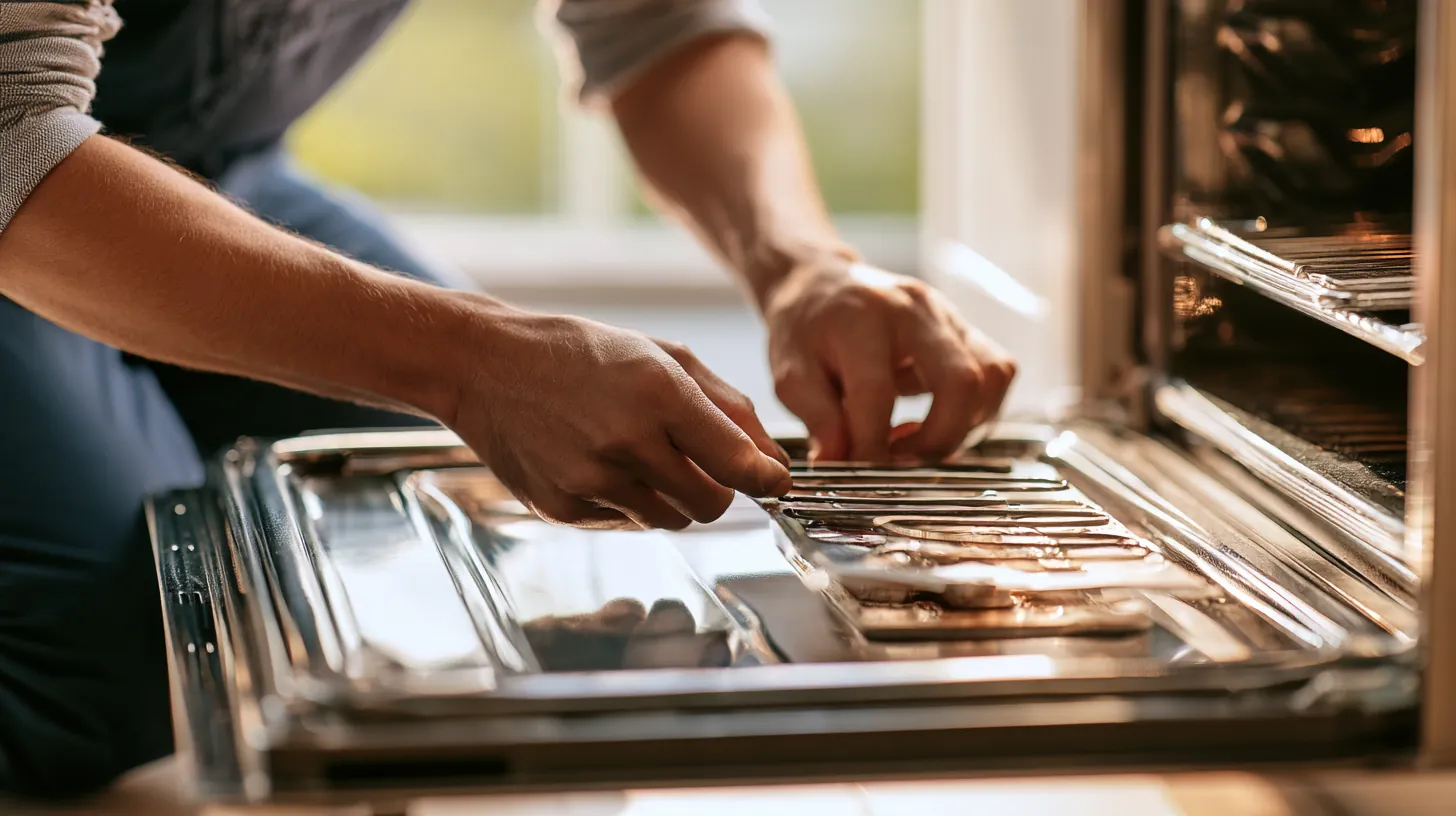
The short answer
Repairing a washing machine is usually cheaper when the repair costs less than half the price of a comparable new machine and the washer is less than about seven years old. Past that age, or above that cost, replacing it usually makes more sense.
Most washers last roughly 10 to 13 years. A common repair such as a drain pump, door lock or lid switch often costs $150 to $350 including labor, which is well under half the price of a new mid-range washer. A failed transmission, motor control board or bearing on an older machine can approach the cost of replacement, and fixing it may only buy a year or two before the next part goes.
This guide covers typical repair costs, the 50 percent rule, a worked example and how to pay for either choice. Readers who began by searching for discover personal loans will find a short section on financing near the end.
Common washer problems and repair costs
Most washer repairs fall between about $150 and $450 with parts and labor. Pumps, belts, lid switches and door locks are at the low end; bearings, motors and control boards are at the high end.
| Problem | Likely part | Typical repair cost |
|---|---|---|
| Will not drain | Drain pump or clog | $150–$300 |
| Will not start | Lid switch or door lock | $120–$250 |
| Will not spin | Belt, motor coupling or clutch | $150–$350 |
| Loud grinding in spin | Drum bearings | $350–$600 |
| Leaks | Door gasket, hose or pump seal | $100–$300 |
| Error codes, no response | Control board | $250–$500 |
These are broad estimates; parts and labor vary by brand and region. A diagnosis visit, often $75 to $150, is usually credited toward the repair if you proceed.
The 50 percent rule
The 50 percent rule says to replace an appliance when the repair would cost more than half the price of a comparable new one. It is a simple way to avoid putting good money into a machine that is likely to need more repairs soon.
If a comparable new washer costs $800, the threshold is $400. A $220 pump repair is clearly worth doing. A $520 control board replacement crosses the line, especially on an older machine. The rule is a guide, not a law: a newer premium washer with a $450 repair may still be worth fixing if the rest of the machine is in good shape.
Combine the rule with age. A repair at 40 percent of replacement cost on a two-year-old washer is reasonable. The same repair on a twelve-year-old washer is harder to justify.
How age changes the answer
A washer’s age matters because the chance of another failure rises as the machine gets older. Beyond about two-thirds of its expected life, even a moderate repair may be followed by another within a year or two.
| Washer age | Repair is usually worth it if it costs |
|---|---|
| 0–3 years | Up to about 50% of a new machine; check the warranty first |
| 4–7 years | Up to about 40% |
| 8–10 years | Up to about 25% |
| 11+ years | Only minor repairs, such as a hose or switch |
Energy and water use also improve with newer models. A new high-efficiency washer can use noticeably less water per load than one from a decade or more ago, which saves a little every month.
A worked example
A seven-year-old front-load washer with grinding in the spin cycle needs new drum bearings, quoted at $480. A comparable new washer costs $850, so the repair is about 56 percent of the replacement price and the washer is past the middle of its life.
By the 50 percent rule, the repair is over the line. By age, a seven-year-old machine is in the range where a 40 percent cap applies, which would be $340. Both tests point toward replacing. The deciding question is the rest of the machine: if the control board and pump are original and the gasket is worn, more repairs are likely.
If the same washer were three years old, the answer might flip, since the remaining life is longer and other parts are less worn. Ask the technician whether anything else looks close to failing before you decide.
Check the warranty first
Before paying for any repair, check the manufacturer’s warranty, any extended warranty you bought and your credit card’s purchase protection. Many washers carry longer coverage on motors or drums than on other parts.
Find the model and serial number, usually on a sticker inside the lid or door frame, and look up the warranty on the manufacturer’s site. Some brands cover the motor or drum for five to ten years. If you bought the washer with a credit card that extends warranties, the card may add a year. A home warranty, if you have one, may cover the repair for a service fee.
Keep receipts and model numbers together. They make warranty claims faster and help a technician find the right parts.
DIY repairs worth trying
Some washer problems have simple fixes you can try before calling a technician: cleaning the drain pump filter, checking the lid switch, leveling the machine and inspecting hoses. Unplug the washer and turn off the water first.
- Not draining: many front loaders have a pump filter behind a small panel at the bottom front; clearing a sock or coins often fixes it.
- Shaking or walking: level the feet and make sure the load is balanced.
- Not starting: check that the door or lid latches firmly and the outlet has power.
- Musty smell: run a cleaning cycle and wipe the door gasket.
- Small leaks: check hose connections for tightness and wear.
If a simple fix does not work, stop there. Electrical and drum repairs are best left to a technician.
What a new washer costs
A new top-load washer commonly costs $500 to $1,000, and a front-load washer $700 to $1,500, before delivery, installation and haul-away. Premium models and washer-dryer pairs cost more.
Delivery and installation often add $50 to $150, and removing the old machine another $25 to $75, though many retailers include these during sales. Measure the space and the doorways before buying, and check whether the new washer needs a different hose or a drain pan.
Look for utility rebates on efficient models, scratch-and-dent discounts and sale periods around major holidays. Each lowers what you need to pay or finance.
Stopgaps while you decide
A laundromat, a refurbished washer or a short rental can bridge the gap while you save, wait for a sale or compare personal loan offers, which keeps you from making a rushed decision on a large purchase.
Laundromat costs for a household often run $15 to $30 a week, so two or three weeks of laundromat visits can be cheaper than paying interest on a rushed purchase. Refurbished washers from local appliance shops, often with a 30- to 90-day warranty, can cost a fraction of a new one and buy time. Some rental companies offer washers by the month, though rent-to-own agreements are usually expensive over time and are best avoided.
If you do need to finance, take a few days to compare. A personal loan offer at a competitive APR, or a retailer’s true 0% plan, will still be there next week. Borrowers who looked at discover personal loans first often find that a smaller lender with a lower minimum fits a washer better, since the amount is well below many bank floors.
Repairs on a rental or shared machine
If you rent your home and the washer came with it, the landlord is usually responsible for the repair. Report the problem in writing before paying for anything yourself, and keep a copy of the request.
In apartment buildings with shared laundry, contact the property manager or the laundry service company named on the machine; they handle repairs. If you own the washer in a rental, the repair is yours, and the same 50 percent rule applies. When you move, factor in the cost of moving the machine against the price of a new one at your new home; sometimes selling the old washer and buying locally is simpler.
For homeowners with a home warranty, read the coverage limits. Some warranties cap appliance payouts, so a costly repair may still leave part of the bill to you, which a small personal loan or savings can cover.
How to pay for a repair
Most washer repairs are small enough to pay from savings or a card you clear within a month. For a larger repair you cannot cover at once, a short in-house plan from the repair company or a small personal loan can spread the cost.
If you use a credit card, pay the balance quickly to avoid interest at card rates. If the repair company offers a no-interest plan for a few months, it is often the cheapest choice. A personal loan makes sense for bigger bills, especially if you are combining a washer repair with another expense, and comparing a few personal loan offers takes only minutes.
Lenders in our network consider requests from $500. For a repair under that amount, savings or a card you pay in full are usually cheaper than any loan, whether from our network or from discover loans and other large banks.
How to pay for a replacement
For a $600 to $1,500 replacement, the main options are a pay-in-four plan, a retailer’s monthly plan, a credit card or a personal loan. The cheapest is the one with the lowest total cost for the time you need to repay.
A pay-in-four plan is often interest-free if you can make four payments over about six weeks, which no personal loan can match for a short payoff. A retailer’s 0% plan can be cheapest if it has no deferred interest and you finish on time. A personal loan is often better if you need a year or more and want to buy from any store. Our comparison personal loan vs buy now, pay later for a new refrigerator walks through the same choice for a larger appliance.
| Loan | APR | Term | Monthly payment | Total repaid | Total interest |
|---|---|---|---|---|---|
| $800 | 24.99% | 6 months | $143.22 | $859.31 | $59.31 |
| $800 | 24.99% | 12 months | $76.03 | $912.38 | $112.38 |
| $1,200 | 24.99% | 12 months | $114.05 | $1,368.57 | $168.57 |
| $1,200 | 24.99% | 18 months | $80.62 | $1,451.24 | $251.24 |
These personal loan examples assume a 24.99% sample APR and no origination fee; a discover personal loan calculator or ours will show the same math for any rate. Shoppers who look at discover personal loans for a washer will find the published $2,500 minimum is above most replacement prices.
Making the next washer last longer
Simple habits can add years to a washer: avoid overloading, use the right detergent amount, clean the pump filter and gasket regularly and leave the door open between loads on a front loader.
- Use high-efficiency detergent in HE machines, and measure it.
- Clean the pump filter every few months.
- Wipe the door gasket and leave the door ajar to dry.
- Replace rubber fill hoses with braided steel every five years or so.
- Keep the machine level to reduce wear on bearings.
A small appliance fund of $20 to $30 a month also helps, so the next breakdown is covered without borrowing.
Questions to ask the technician
Ask the technician for the total repair cost, how long the repair is warrantied, whether parts are readily available and whether anything else on the machine looks close to failing. The answers make the repair-or-replace decision clearer.
- What is the full cost, including parts, labor and the diagnosis fee?
- How long is the repair warrantied?
- Are original parts in stock, or will there be a wait?
- Are other parts showing wear?
- Would you repair this washer if it were yours?
Most technicians will give an honest opinion on the last question, and it is often the most useful answer of all.
Bottom line
Repair a washer if the cost is under about half the price of a new one and the machine is less than seven years old; replace it if the repair is larger or the machine is older. Check the warranty first and try simple fixes before calling for service.
If you decide to finance a repair or replacement, our appliance repair loans guide explains how lenders in our network review these requests, and the personal loan calculator shows any payment. The same calculator works for figures you see on discover loans or any other lender.
Frequently asked questions
Is it worth repairing a 10-year-old washing machine?
Usually only for small repairs, such as a hose, switch or pump. Larger repairs on a washer near the end of its life often lead to more repairs soon.
How much does it cost to fix a washing machine that will not drain?
Often $150 to $300 for a pump or clog, though clearing the pump filter yourself sometimes fixes it at no cost.
What is the 50 percent rule for appliances?
Replace the appliance when a repair would cost more than half the price of a comparable new one.
Related posts
Personal Loan vs Buy Now, Pay Later for a New Refrigerator
Pay-in-four plans can be interest-free for a $1,200 fridge; longer financing often is not. Compare the full cost, not the first payment.
Read the guide
Personal Loan vs Line of Credit: Which Is Cheaper?
A fixed loan wins on predictability, a credit line wins when you are not sure how much you need. Here is how the cost really compares.
Read the guideSee what lenders in our network can offer
It takes about five minutes, there is no fee to use our service and you are never obligated to accept an offer.